
he Empty Chair: Whose Voice Is Missing?
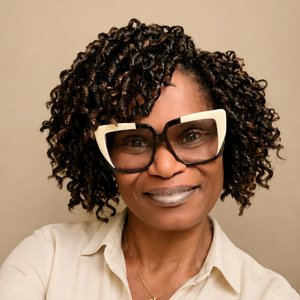
By Dr. Cynthia Skyers-Gordon, Ed.D. | Founder of SILWELL-C
Have you ever sat in a meeting where everyone was discussing what staff needed, what staff should be doing, or what would be best for staff, yet the very people being discussed were not part of the conversation?
I have spent many years in educational leadership, and one thing I have come to recognize is how easily this can happen, even when leaders have the best intentions.
We gather around tables, review information, discuss challenges, develop strategies, and make decisions. We genuinely want to improve our programs and support the people who work within them.
But sometimes, in our efforts to find solutions, we overlook an important question:
Have we actually asked the people who will be affected by these decisions what they think, what they need, and what they are experiencing?
That question is at the heart of this month's Cultivating Calm theme, The Empty Chair: Whose Voice Is Missing?
Because sometimes the most important perspective in the room belongs to someone who was never invited to the conversation.
When Good Intentions Are Not Enough
I believe most leaders want to create environments where their staff feel supported, respected, and valued.
We want our organizations to function effectively. We want our teams to succeed. And when challenges arise, we naturally begin thinking about what we can do to improve the situation.
But wanting to support staff and understanding what staff actually need are not always the same thing.
For example, imagine a leadership team discussing staff wellness.
Someone suggests a wellness workshop. Another recommends a team-building activity. Someone else proposes bringing in a guest speaker.
Before long, a calendar is developed, resources are identified, and everyone leaves the meeting feeling that something positive has been accomplished.
And perhaps it has.
But I would encourage us to consider another possibility.
What if staff are already overwhelmed by meetings and additional responsibilities?
What if they would prefer opportunities for quiet reflection, meaningful connection, or simply being heard?
What if the challenges affecting their well-being have little to do with the activities being proposed?
Without their perspectives, we may create something thoughtful and well-intentioned that does not address what matters most to them.
We cannot assume that because we are making decisions with staff in mind, we are necessarily making decisions with staff voices included.
That is an important distinction.
The Empty Chair Is More Than an Empty Seat
When I think about the empty chair, I do not simply imagine an unoccupied seat at a meeting table.
I think about the perspectives that are missing.
I think about the staff member who has an idea but has never been asked to share it.
The teacher who experiences daily challenges that may not be visible to someone working outside the classroom.
The employee who has participated in several initiatives but has never been invited to explain what was meaningful or what could have been improved.
I also think about staff who may have been invited to share their opinions in the past but never saw anything happen afterward.
Eventually, some people stop offering suggestions.
Not necessarily because they do not care, but perhaps because they are uncertain whether their voices will make a difference.
This is why I believe creating opportunities for staff participation requires more than extending an invitation.
It requires trust.
It requires leaders to listen without immediately defending decisions or explaining why something cannot be done.
And it requires a willingness to acknowledge that the people experiencing the day-to-day realities of an organization may understand certain needs differently from those responsible for leading it.
As leaders, we bring valuable knowledge, experience, and responsibility to our roles.
But our positions do not mean we see everything.
Sometimes leadership means recognizing that our understanding is incomplete until we hear from the people whose experiences we are trying to improve.
What I Learned From Creating a Staff Wellness Initiative
When I began developing a staff wellness initiative, I knew I did not want to introduce another program simply because I thought it was a good idea.
I wanted staff to feel that this experience was for them, but more importantly, that they had a meaningful role in shaping it.
We began by gathering information about staff interests and wellness needs.
We also invited staff members to share their talents, skills, and knowledge by volunteering to facilitate activities.
That was important because I recognized that we already had valuable resources within our own organization.
Our staff were not simply individuals who needed wellness support. They were people with creativity, knowledge, experiences, and gifts they could share with one another.
Some enjoyed creative activities. Others had interests and expertise that could benefit their colleagues.
As the initiative developed, we offered experiences such as card making, body butter making, glass etching, wreath making, financial wellness learning, and opportunities for cultural connection.
But what I remember most is not the list of activities.
It is the sense of connection that began to develop.
Staff had opportunities to interact beyond their usual responsibilities, share something personal about themselves, and experience moments of enjoyment with their colleagues.
Participation was voluntary, and that was intentional.
I never wanted staff to feel that they had to attend a wellness activity to demonstrate commitment to the organization.
I wanted participation to be a choice.
Over time, participation grew from approximately 15 to 35 staff members.
While that growth was encouraging, I believe the more meaningful accomplishment was that staff began to recognize wellness as something they could help shape and experience together.
That experience strengthened a belief I continue to carry today:
When staff are invited to contribute their voices, interests, and strengths, wellness becomes more than something leadership provides. It becomes something people help create.
A Seat at the Table Does Not Automatically Mean a Voice
There is another important part of this conversation that I believe deserves our attention.
Sometimes organizations do invite staff representatives to meetings or committees.
That is a positive step.
But we must also consider what happens once they are there.
Are they encouraged to share their perspectives?
Are they comfortable expressing a different opinion?
Do we ask questions that invite meaningful discussion, or are we primarily presenting decisions that have already been made?
And when staff offer suggestions, do we explain how their feedback will be considered?
I believe there is a significant difference between being present and being included.
A staff member may attend every meeting and still feel that their perspective carries little influence.
Likewise, a staff member who cannot attend a meeting may still contribute meaningfully if the organization provides other opportunities to share ideas.
This is why I encourage leaders to think beyond simply filling a seat.
Consider how information is gathered, how decisions are communicated, and how staff can recognize that their experiences have been taken seriously.
Not every suggestion will be possible to implement.
We have budgets, regulations, schedules, and organizational responsibilities to consider.
I understand those realities because I have worked within them.
But even when we cannot implement a suggestion, we can acknowledge it, explain the considerations involved, and continue the conversation.
Respectful communication matters.
People may not always agree with a decision, but they deserve to understand that their perspectives were considered.
Listening Should Influence What Happens Next
One of the things I have learned is that gathering feedback is only the beginning.
We can distribute surveys, hold meetings, and ask staff to share their thoughts. But if the information we receive never influences our planning, we must ask ourselves what purpose that process is serving.
Listening should help us understand.
Understanding should help us reflect.
And reflection should inform our actions.
For example, if staff express that they are overwhelmed by additional meetings, perhaps our response should not be to schedule another mandatory wellness session.
If staff share that they value opportunities for connection, perhaps we can explore ways to support those experiences without creating unnecessary expectations.
If staff identify different wellness interests, perhaps we can offer choices rather than assuming everyone will enjoy the same activity.
The point is not to satisfy every preference.
The point is to make decisions that are informed by the people who will experience them.
I also believe it is important to return to staff and communicate what we learned.
What did we hear?
What themes emerged?
What can we realistically address?
What may require additional planning or resources?
And what might not be possible right now?
These conversations demonstrate that staff participation is not simply an exercise in collecting information.
It is part of building relationships grounded in trust, transparency, and shared responsibility.
Leadership Requires the Willingness to Make Room
I understand that leadership carries significant responsibilities.
There are decisions that must be made, expectations that must be met, and situations where leaders must act quickly.
Including staff does not mean abandoning those responsibilities.
It means recognizing that leadership and staff participation can strengthen one another.
Sometimes making room for another person's voice requires us to reconsider an assumption.
Sometimes it means hearing something uncomfortable.
Sometimes it means acknowledging that an idea we were excited about may not be what our team needs.
And sometimes it simply means asking a question we had not thought to ask.
I believe these moments are opportunities for leadership growth.
We do not lose our authority by listening.
We strengthen our understanding.
And when staff recognize that leaders are willing to listen, reflect, and make thoughtful adjustments, we create opportunities for stronger relationships and shared ownership.
That is the kind of leadership I believe contributes to sustainable wellness cultures.
A Reflection for Leaders: Who Is Missing?
As you prepare for your next leadership meeting, I invite you to think about the people whose experiences are being discussed.
Before making decisions about staff wellness, consider these questions:
Whose perspectives are missing from this conversation? Are we hearing from the people who will be directly affected by our decisions?
Are we relying on assumptions or actual staff experiences? What have staff told us about their needs, interests, and challenges?
Have we created meaningful opportunities for staff to contribute? Are those opportunities accessible, voluntary, and respectful of different communication preferences?
What happens after staff share their voices? Can they see how their input is considered, even when every suggestion cannot be implemented?
Are we willing to adjust our plans? Can we recognize when staff experiences reveal something different from what we originally believed?
These questions are not intended to criticize leaders.
They are invitations to reflect.
Because I believe that even experienced, well-intentioned leaders can benefit from examining whose voices are helping shape the decisions they make.
Closing Reflection: Do Not Let the Empty Chair Go Unnoticed
When I think about building a culture of wellness, I do not begin with a calendar of activities or a list of resources.
I begin with people.
Their experiences.
Their needs.
Their interests.
Their strengths.
And their right to have a meaningful voice in conversations that affect them.
I know that leaders cannot always meet every need or solve every challenge.
But I also know that the way we listen, communicate, and include others can make a meaningful difference in how people experience their workplace.
The empty chair reminds us that someone may be missing from the conversation.
And before we move forward with another plan, another initiative, or another decision about staff wellness, perhaps we should ask ourselves one simple question:
"Have we made room for the people whose voices matter most in this conversation?"
Because creating a culture of care is not only about what we offer staff.
It is about how we value their experiences, respect their perspectives, and invite them to help shape the environment in which they work.
And sometimes, the most meaningful leadership decision we can make is not to speak first.
It is to make room for someone else to be heard.
At SILWELL-C, we believe sustainable wellness begins when staff voices are valued, leadership support is intentional, and the people who experience the workplace help shape its culture.
Where wellness is led by those who live it.