
Adapting the Wellness Journey to the People and the Organization
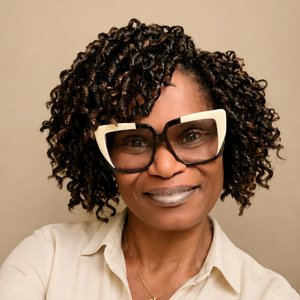
By Dr. Cynthia Skyers-Gordon, Founder of SILWELL-C
Have you ever wondered why a wellness program can be successful in one organization but struggle to gain momentum in another?
Perhaps you have attended a conference, participated in a workshop, or heard another leader share an exciting wellness initiative. You listened to the activities they introduced, the enthusiasm of their staff, and the positive changes they experienced.
And you thought, "This is exactly what our organization needs!"
So you bring the idea back, introduce it to your team, and hope to experience similar results.
But something happens.
Participation is lower than expected. Staff seem uninterested. Activities that sounded exciting during the presentation do not generate the same enthusiasm. Before long, what began as a promising initiative becomes another responsibility that leadership is trying to maintain.
Does that mean the wellness program was unsuccessful?
Not necessarily.
Sometimes the challenge is not the wellness program itself. It is the assumption that what works for one organization will automatically work for another.
This is a conversation I believe we need to have more often.
Every Organization Has Its Own Story
Throughout my years in educational leadership, I have come to understand that no two organizations are exactly alike.
Even organizations serving similar populations, operating under the same regulations, or following the same educational framework can have very different workplace cultures.
Their staffing patterns may differ. Their schedules, resources, leadership practices, communication styles, and staff experiences may differ.
And perhaps most importantly, the people within those organizations bring different needs, interests, responsibilities, and perspectives.
So why would we expect their wellness journeys to look exactly the same?
I have always believed that wellness must begin with understanding the people we are trying to support.
Not simply understanding their job descriptions or professional responsibilities, but recognizing that each person brings a life and a set of experiences beyond the workplace.
Some staff may enjoy creative activities and opportunities to socialize. Others may prefer quiet reflection, movement, learning something new, or simply having time to themselves.
Some may be eager to participate in group activities, while others may not feel comfortable doing so.
Neither response is wrong.
Wellness should create opportunities for people to make meaningful choices, not pressure everyone to experience wellness in the same way.
What My Own Experience Taught Me
When I began developing a staff wellness initiative, I did not start by selecting a collection of activities and expecting everyone to participate.
I wanted to understand what staff needed and what they were interested in experiencing.
We invited staff to share their interests through a needs assessment. We also created opportunities for staff members who wanted to share their talents, knowledge, or experiences to volunteer as presenters.
Participation was always voluntary.
I felt strongly about this because I did not want wellness to become something staff felt obligated to do.
Our experiences eventually included creative activities such as card making, body butter making, glass etching, decorating succulent pumpkins, and wreath making. We also incorporated opportunities for financial learning and cultural connection.
But I want to emphasize something.
Those activities were not the wellness program. They were expressions of what wellness looked like for our staff at that particular time.
That distinction matters.
Another organization could introduce those exact same activities and experience completely different results.
Perhaps their staff would prefer movement activities, quiet spaces, professional reflection, or opportunities to connect with colleagues in smaller groups.
Perhaps their schedules would not allow for an afternoon wellness session.
Perhaps their greatest need would be better communication, more supportive relationships, or opportunities to feel heard.
If we simply copy the activities without understanding the people, we risk missing the very purpose of wellness.
A Framework Is Not a One-Size-Fits-All Plan
I want to make an important distinction between a wellness framework and a wellness program.
A framework provides guidance. It helps organizations think intentionally about the principles, relationships, and practices that support sustainable wellness.
But a framework should not become a rigid set of activities that every organization must implement in exactly the same way.
At SILWELL-C, our philosophy is grounded in staff-led, leader-supported wellness.
That principle does not change from one organization to another.
What changes is how each organization brings that principle to life.
For example, one organization may have staff members who enjoy leading creative wellness sessions. Another may have staff who prefer opportunities for reflection, peer connection, or shared learning.
One organization may have dedicated funding, while another may need to begin with existing resources and small, intentional actions.
The approaches may look different, but the underlying commitment remains the same: staff voices matter, participation is meaningful, and leadership provides the support needed to make wellness sustainable.
Consistency in our values does not require uniformity in our practices.
I believe this is one of the most important lessons leaders can carry into their wellness planning.
Why Leadership Support Still Matters
Sometimes leaders become discouraged when a wellness initiative does not receive the response they anticipated.
They may wonder why staff are not participating or why the enthusiasm they expected has not developed.
But before concluding that staff are uninterested in wellness, I encourage leaders to ask a different question:
Have we created an approach that reflects what our staff actually need and can realistically participate in?
There is a difference between offering an opportunity and creating conditions that make the opportunity meaningful and accessible.
Staff may be interested but unable to attend because of scheduling conflicts.
They may value wellness but prefer activities that differ from those being offered.
They may want to contribute ideas but have never been invited into the planning process.
And sometimes, staff may simply need time to develop trust in a new initiative.
This is where leadership becomes so important.
Being a supportive leader does not mean having every answer. It means being willing to listen, make adjustments, provide resources when possible, and recognize that building a culture takes time.
It also means being comfortable when staff suggest something different from what we originally envisioned.
I believe leadership requires enough confidence to guide the process and enough humility to allow others to shape it.
That is how shared ownership begins to develop.
Growth Does Not Always Look the Same
In the wellness initiative I helped develop, participation grew from approximately 15 to 35 staff members over time.
We eventually moved from relying on staff contributions and program-provided materials to having a dedicated budget that supported the initiative.
Those developments were encouraging.
But I would never suggest that another organization must achieve those same numbers to demonstrate success.
For a small organization, five staff members consistently participating may represent meaningful engagement.
For another organization, success may be reflected in staff feeling comfortable sharing ideas, using a quiet space, or developing stronger relationships with colleagues.
Sometimes progress is visible through participation numbers.
Other times, it appears in conversations, attitudes, trust, or the way people begin supporting one another.
In our experience, I remember wellness becoming part of everyday conversations. The expression "It's all about wellness" began to take on meaning beyond our scheduled sessions.
That was important to me because I wanted wellness to extend beyond a particular day or activity.
I wanted it to become part of how we experienced our workplace.
And that kind of growth cannot always be captured by attendance sheets or activity calendars.
Before You Adopt Another Wellness Program, Ask These Questions
If you are considering introducing a new wellness initiative, or perhaps revisiting one that has struggled to gain momentum, I encourage you to reflect on three questions.
1. Are we responding to our staff's needs or following someone else's success story?
There is nothing wrong with learning from another organization. In fact, sharing experiences and successful practices can be incredibly valuable.
But those experiences should inspire our thinking, not replace our responsibility to understand our own teams.
2. Are we creating opportunities for staff ownership?
Staff should have meaningful opportunities to share their ideas, interests, and experiences.
That does not mean every suggestion can be implemented immediately. It means people know their perspectives are welcomed, considered, and respected.
3. Are we willing to adjust our approach as our organization changes?
The needs of an organization do not remain the same forever.
Staff members change. Responsibilities shift. New challenges emerge. Resources fluctuate.
A wellness initiative that was meaningful last year may need to be adjusted this year.
And that is okay.
Adaptation is not a sign of failure.
It can be a sign that we are paying attention.
Closing Reflection: Let Your Wellness Journey Reflect Your People
I often think about how much energy leaders invest in finding the right program, the right activity, or the right solution.
We want to do something meaningful for our staff, and that desire comes from a good place.
But sometimes, in our excitement to introduce something new, we overlook the most valuable resource already within our organization.
Our people.
They bring ideas, talents, experiences, strengths, and perspectives that no purchased program can fully anticipate.
When we make room for those voices, we begin creating something that belongs to the organization rather than something simply introduced to it.
I do not believe sustainable wellness is about finding one perfect program that works everywhere.
I believe it is about developing a shared commitment to care, connection, and well-being, and allowing that commitment to take shape in ways that are meaningful for the people involved.
So the next time you hear about a successful wellness program, I encourage you to celebrate what that organization has accomplished.
Learn from their experience.
Take inspiration from their ideas.
But before bringing those practices into your own workplace, ask yourself:
"How can we adapt this approach to reflect the needs, voices, and experiences of our team?"
Because your organization's wellness journey should not be a copy of someone else's.
It should reflect the people who are living it.
At SILWELL-C, we believe that wellness is most meaningful when it is staff-led, leader-supported, and responsive to the people and organizations it serves.
Where wellness is led by those who live it.