
“Vision begins where ego ends.”
I believe there is something powerful about that statement, especially when we think about leadership and staff wellness.
As leaders, we often feel responsible for having the answers, developing the plans, and making sure everything runs smoothly. We want our programs to succeed. We want our staff to feel supported. And sometimes, with the very best intentions, we begin creating solutions before taking the time to listen to the people those solutions are meant to support.
But I have learned something important throughout my years in educational leadership: A vision becomes more meaningful when the people who will help bring it to life have a voice in shaping it.
That is especially true when it comes to wellness.
Wellness Begins With Listening, Not Planning
When I began developing a staff wellness initiative, I knew I wanted it to be more than another activity on the calendar. I did not want staff to feel that wellness was one more responsibility being added to their already demanding schedules.
I wanted something different.
I wanted staff to have a space where they could step away from the demands of their day, connect with one another, share their interests, and experience moments that belonged to them.
But I also understood that what brought me a sense of calm might not be what brought calm to someone else.
That understanding shaped how we approached the initiative.
We began by asking staff about their needs and interests. We also invited those who wanted to share their talents, skills, or knowledge to become part of the experience. Participation was voluntary. Staff could choose whether or not to attend, and that choice was respected.
This was important to me because I believe wellness should never become another expectation that staff feel pressured to meet.
When people have a choice, when their interests are considered, and when they recognize that their voices matter, something begins to change.
They are no longer simply participating in a program someone created for them. They are helping create an experience that reflects who they are.
And that is where ownership begins.
Small Actions Can Create Meaningful Change
Sometimes when we talk about wellness, we imagine that we need a large budget, an elaborate program, or an outside expert to make something meaningful happen.
Those resources can certainly be helpful, but they are not always where meaningful change begins.
In our initiative, some of the most memorable experiences came from simple activities and the willingness of staff to share something they enjoyed.
We explored activities such as card making, creating body butter, glass etching, decorating succulent pumpkins, and making wreaths. We also created opportunities to learn about financial wellness and to connect through shared cultural experiences.
What made these experiences meaningful was not simply the activity itself.
It was the opportunity to connect.
It was watching staff share a talent that others might not have known they possessed. It was seeing people laugh, create, learn, and enjoy one another's company outside their usual responsibilities.
We were not asking staff to become more productive during those moments. We were creating opportunities for them to experience something for themselves.
I believe we sometimes underestimate the importance of that distinction.
Not every meaningful wellness experience needs to produce a measurable work-related outcome. Sometimes the value is simply that a person feels welcomed, connected, appreciated, or able to enjoy a moment of calm.
Those moments matter.
And when they happen consistently, they can begin to influence how people experience their workplace.
Staff-Led Does Not Mean Leadership Steps Away
One of the messages I am passionate about sharing is that staff-led wellness does not mean leaders remove themselves from the process.
Quite the opposite.
Leadership support is essential.
When staff are invited to contribute their ideas, interests, and talents, leaders must also help create the conditions that allow those contributions to flourish.
That might mean identifying a suitable meeting space, providing materials, protecting time, helping coordinate schedules, or making sure participation remains voluntary and accessible.
In our experience, we worked intentionally to create an environment that felt welcoming. We considered the room arrangement, calming sounds, colors, refreshments, and even the way staff were greeted when they arrived.
These details may seem small, but they communicated something important: We had taken the time to prepare a space for them.
As our initiative continued, participation grew from approximately 15 to 35 staff members. What began with limited resources eventually gained dedicated budget support.
But what stands out to me most is not the increase in participation or funding.
It is the way staff began to embrace wellness as something that belonged within our workplace culture.
I remember hearing the expression, “It's all about wellness,” becoming part of everyday conversations.
That meant something to me.
Because my goal was never simply to organize successful wellness sessions. I wanted wellness to become something people recognized, valued, and carried into their daily experiences.
Turning a Shared Vision Into Everyday Practice
I believe one of the challenges leaders face is moving from a wonderful idea to something that can actually be sustained.
We can develop a beautiful wellness vision, create a calendar of activities, and introduce exciting initiatives. But if those efforts do not reflect staff needs, available resources, or the realities of the workplace, maintaining them becomes difficult.
This is why I encourage leaders to begin with small, intentional actions.
Imagine inviting your team to a calm leadership vision meeting.
Not another meeting filled with announcements, deadlines, and expectations, but a conversation where staff are encouraged to reflect on what wellness means to them.
What helps them feel supported?
What makes their workday more manageable?
What opportunities would help them feel connected?
What is one personal calm goal they would like to focus on this year?
And perhaps most importantly, what support would help them move toward that goal?
The purpose is not to leave the meeting with a long list of activities that leadership must immediately implement.
The purpose is to listen, identify common needs, and begin building a shared direction.
One small action might be creating a quiet space where staff can take a moment to regroup. Another might involve establishing opportunities for colleagues to share their talents or introducing a brief moment of reflection during an existing gathering.
The action itself does not have to be complicated.
What matters is that it responds to something meaningful and that staff have a voice in shaping it.
Creating Space for Calm Requires Intention
I also want leaders to remember that supporting wellness does not mean we will eliminate every challenge, stressful day, or difficult situation.
That is not realistic.
Educational environments, like many workplaces, carry significant responsibilities. Staff are balancing professional expectations, personal commitments, family needs, and circumstances that we may never fully understand.
We cannot always change everything happening around us.
But we can become more intentional about the environment we help create.
We can listen before making assumptions.
We can recognize when staff need support rather than another assignment.
We can invite participation without making it an obligation.
And we can acknowledge that people experience wellness differently.
These may appear to be small leadership decisions, but they communicate respect, trust, and care.
I have always believed that people deserve to feel valued not only for the work they perform, but also for who they are as individuals.
That belief is at the heart of why this work matters so deeply to me.
A Reflection for Leaders
As you think about your organization's wellness journey, I invite you to consider three questions:
Whose voices are helping shape our wellness vision? Are we listening to staff, or are we primarily deciding what we believe they need?
What small action could we take that would make a meaningful difference? Not necessarily the most impressive activity, but something realistic, thoughtful, and responsive.
How are we supporting staff ownership? Are we creating opportunities for staff to contribute, make choices, and share their strengths while providing the leadership support they need?
You do not have to transform your entire organization overnight.
You do not need to have every answer before beginning.
Sometimes, the most meaningful step is simply asking a question and being willing to listen to the response.
Closing Reflection: Let the Vision Grow
When I reflect on my own experiences, I am reminded that sustainable wellness is not built through one event, one activity, or one person.
It grows through relationships, shared responsibility, intentional leadership, and a willingness to continue learning from the people we serve alongside.
A vision gives us direction, but our everyday actions give that vision life.
And when leaders create space for staff to be heard, contribute, and take ownership, we begin building something far more meaningful than a wellness calendar.
We begin cultivating a culture of care.
Because wellness is not simply about what we provide for people. It is also about how we invite people to participate, how we support them, and how we make them feel along the way.
At SILWELL-C, we believe wellness is most meaningful when it is staff-led, leader-supported, and grounded in the real experiences of the people who live it.
Where wellness is led by those who live it.
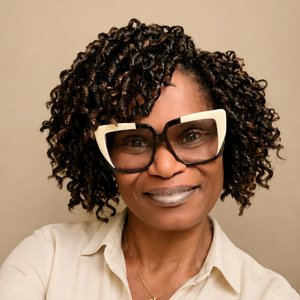
By Dr. Cynthia Skyers-Gordon, Founder of SILWELL-C